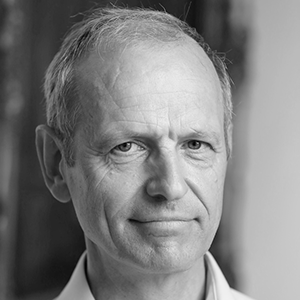
Mezna Qato’s research and teaching focuses on histories and theories of social, economic and political transformation amongst refugee and stateless communities, as well as the politics and practice of archives, and global micro-histories of movements. One project focuses on Palestinians after 1948 as they navigated the world and engaged in political movements. She is also completing a book on the history of education for Palestinians. She’s looking at the first generation of young people after the 1948 war, and how education came to be the central vehicle for social, political and economic regeneration. In the development world, there's a trope that the Palestinians are the most educated refugees in the world. That was a success but also a story of suppression, and her work looks at the tensions that the refugees grappled with. More immediately, Mezna has become increasingly involved in University, UK and international initiatives and discussions on education and reconstruction in Gaza. She is involved in supporting Palestinian universities in Gaza, thinking alongside their leaderships and building on the priorities set by those universities for the international development community and other institutions, including Cambridge.